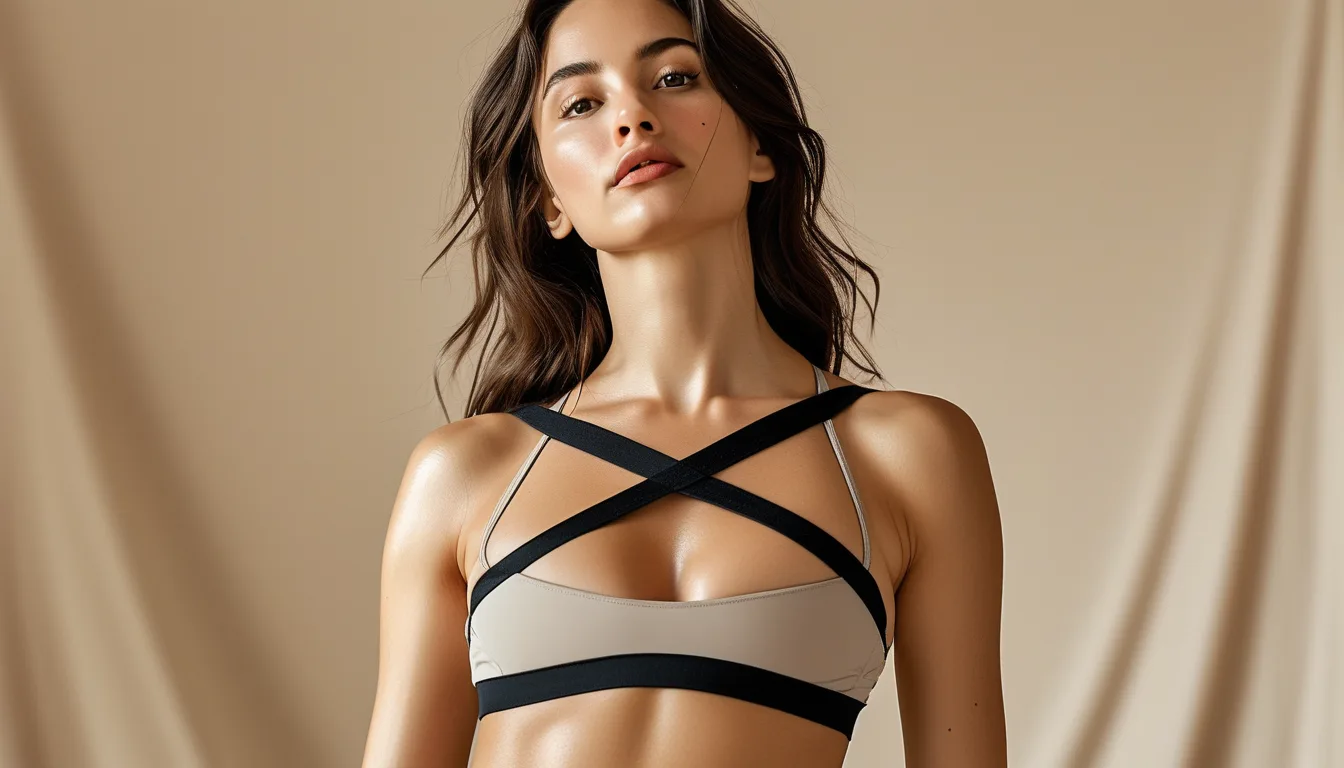
How Washing Slowly Ruins a Crossover Waistband - and How to Stop It
Quick Answer: A crossover waistband dies in the dryer, not in the gym. The crossed panels rely on elastane recovery to hold their V-shape, heat is the single fastest destroyer of elastane, and the tumbling twist of a machine works the overlap out of alignment. The routine that prevents it: cold wash, inside out, in a mesh bag with the band folded flat, no fabric softener, and always air dried - reshaping the V with your hands while damp. Done consistently, the band outlives the fabric around it.
Everyone blames the workouts. The squats, the high knees, the sitting all day - surely that is what slowly turned a crisp crossover into a soft, curling suggestion of one. But a waistband experiences a few hours of gentle stretching in a workout and a violent hour of heat, chemistry, and twisting in a wash cycle. The laundry is where the V goes to die, which is good news, because the laundry is completely under your control.

Why is the V the first thing to go?
Because a crossover band is the most structurally ambitious part of the garment, held together by the fiber that ages fastest.
The V is architecture, not just fabric. Two panels cross at an angle and depend on staying precisely aligned - the whole flattering geometry comes from that overlap sitting centred and flat. A standard straight waistband that loses a little recovery just gets slightly looser. A crossover that loses recovery loses its shape: the panels slide, the crossing point creeps, the edges curl outward, and the clean V becomes a vague X.
Elastane is the load-bearing ingredient, and elastane is fragile. The stretch in your leggings comes from elastane fibers - a few percent of the fabric doing most of the work. Elastane has two mortal enemies: heat, which permanently damages its ability to snap back, and certain chemicals, notably chlorine and the coating agents in fabric softener. Every trip through a hot dryer takes a little recovery that never comes back. The fabric still stretches - it just stops un-stretching, which is the property the V actually needs.
The overlap multiplies every small failure. Where the panels cross, the fabric is doubled, so it dries slower, traps softener residue longer, and experiences the most friction in the wash drum. And because the two panels are cut on angles, they respond to stretching slightly differently - so as recovery fades unevenly, the band does not merely relax, it twists. That twist is the signature of laundry damage: a band that sits crooked on a body it used to fit perfectly.
Sweat left to sit does quiet damage too. Salt and skin oils stiffen fibers and hold odor in the doubled layers. A pair balled up damp in a gym bag overnight is aging in fast-forward before the wash even starts.
What is the wash routine that actually preserves it?
Six habits. None of them add more than a minute.
1. Cold water, always. Warm and hot cycles are elastane damage on a schedule. Cold water cleans modern activewear perfectly well - technical fabrics release sweat easily - and it is the single biggest lever on band lifespan.
2. Inside out, in a mesh bag, band folded flat. Inside out protects the outer face from pilling against other garments. The mesh bag matters more than people think for crossovers specifically: it stops the band from wrapping around other items mid-spin, which is exactly the twisting force the overlap cannot afford. Fold the pair so the waistband lies flat inside the bag rather than scrunched.
3. Skip fabric softener completely. Softener works by coating fibers with a waxy film. On elastane that film clogs recovery; on the doubled overlap it builds up fastest and rinses out slowest. It is also why softened leggings start holding odor - the film traps sweat residue. If you want softness, buttery-soft leggings get that from the knit itself, not from additives.
4. Gentle cycle, modest spin. The delicate setting is not marketing. Lower agitation and a slower spin mean less wet-fabric twisting - and wet elastane is at its most vulnerable to being pulled out of shape.
5. Never the dryer. This is the commandment. If you change nothing else, air dry. Heat is cumulative and irreversible; a band that has survived forty cold washes can be visibly aged by five hot tumbles.
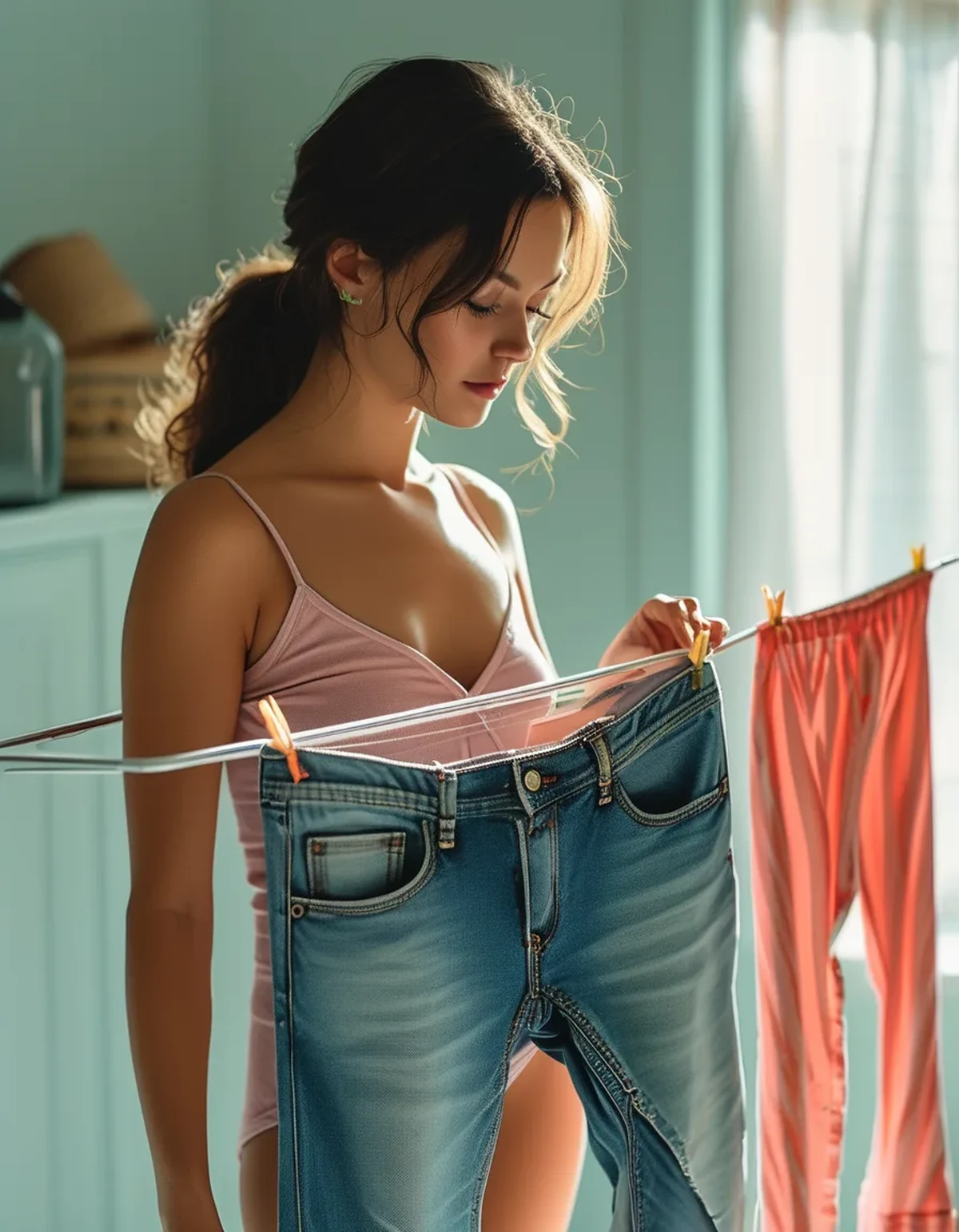
6. Reshape while damp. Thirty seconds that professionals do and nobody else does: lay the pair flat, smooth the band, set the overlap so the V sits centred and the edges lie flat, then leave it. Fabric dries in the shape it holds. You are casting the V correctly every single wash - drape it over a rack mid-band, not hanging by the waistband, which stretches it under its own wet weight.
How do you tell normal wear from damage - and when do you retire a pair?
Crossover bands send clear signals. Reading them saves you from both retiring pairs too early and wearing pairs past their dignity.
Normal, liveable aging looks like: slight softening of the band’s grip over months, minor pilling where the overlap rubs a desk or a barbell, and color relaxing a shade. A band in this stage still sits level and still springs back when you stretch a section and let go.
Damage - laundry-inflicted and mostly preventable - looks like:
- Edge curl. The top edge of the band rolls outward on its own, even freshly washed. That is recovery loss at the edges, the thinnest and most heat-exposed zone.
- The wandering V. The crossing point sits off-centre on your body and migrates during wear. The panels have relaxed unevenly and the geometry is gone.
- The slow-motion snap-back test. Stretch a section of band about a third longer and release. A healthy band returns instantly; a dying one drifts back or holds a slight bag. This is the most honest test available.
- Waistband sheerness. Hold the band to a window - thinning at the fold lines means the fibers themselves are worn.
Retire the pair for workouts when the band needs adjusting more than once an hour - a crossover you keep hitching is telling you the elastane has clocked out. Retirement rarely means the bin: a pair whose band has softened but whose legs are intact demotes gracefully to lounging, sleep, or errand-day yoga pants, where a relaxed waistband is a feature.
And buy the replacement with the laundry in mind: a deeper overlap and a heavier band fabric survive washing better than a shallow, lightweight crossover, however lovely it feels on day one. Care extends the life; construction sets the ceiling.
5 Care Mistakes That Kill Crossover Leggings Fastest
1. The hot dryer, obviously - but especially the habit version. One accidental tumble is a scratch; the every-week default is a countdown. Elastane damage is cumulative, so the pair does not fail on a dramatic day - it fades over a season, and the dryer is why your six-month-old leggings behave like three-year-old ones.
2. Washing them with the enemy. Zips, hook-and-loop tape, denim rivets, and bra hooks in the same load snag the band’s fine knit and yank the overlap around the drum. Activewear washes with activewear - it is a two-second sort that doubles garment lifespan.
3. Hanging them by the waistband. On a hook, on a peg, on a hanger clip - a wet pair suspended from its band is stretching under the weight of its own legs for hours, exactly across the overlap. Dry flat or fold over a rack at mid-thigh.
4. The sweaty gym-bag marinade. Salt, oil, and warmth stiffen fibers and set odor into the doubled layers, and the eventual compensating wash tends to be hotter and harsher. Hang the pair to air the same evening, even if the real wash is days away.
5. Softener chasing the smell that softener caused. The waxy film traps odor, the trapped odor invites more softener, and the band’s recovery suffocates in the loop. Break it with a couple of cold washes using plain detergent and a splash of white vinegar in the rinse - then never invite the softener back. A matching set deserves better chemistry.
FAQ: Crossover Waistband Care Questions, Answered
Can I steam or iron a crossover waistband back into shape?
No - heat is the thing that damaged it, and more heat finishes the job. Lost recovery is permanent. What you can do is reshape while damp after every wash, which prevents the distortion from setting, and demote pairs whose elastane is genuinely gone.
How often should I wash crossover leggings?
After every sweaty wear - sweat residue does its own damage - but not after every light wear. An errand-day outing earns an airing, not a cycle. Fewer total washes is itself a preservation strategy, provided the sweaty ones never sit.
Do crossover leggings need hand washing?
Not if you use the machine correctly: cold, gentle, mesh bag, no softener, air dry. That routine is close to hand-wash gentle with none of the sink time. Hand washing earns its keep only for delicate lightweight pairs or bands already showing edge curl you are nursing along.
Why did one side of my crossover stretch more than the other?
Because the two panels are cut on different angles and never age perfectly in step - and because wash-drum twisting loads them unevenly. The mesh-bag-folded-flat habit and damp reshaping keep the asymmetry from compounding; once one panel is visibly longer at rest, that is permanent recovery loss.
TL;DR:
- The laundry, not the workout, is what kills a crossover waistband - heat and twisting are the assassins.
- Elastane recovery is the whole ballgame: cold water, no softener, never the dryer.
- Mesh bag with the band folded flat prevents the drum from twisting the overlap.
- Reshape the V by hand while damp - fabric dries in the shape it holds.
- Edge curl, a wandering V, and a slow snap-back mean demotion to loungewear, not more adjusting.
A crossover band is a small piece of architecture, and architecture survives on maintenance. Thirty extra seconds per wash is the entire price of keeping the V you paid for.
See It in Motion
Seen here: High Waist Yoga Leggings with Side Pockets — shop it on bubblelime.com
Keep Reading
This article is for general informational and styling purposes only. Fit, sizing, and product availability may vary.